

How to Become a Phone Repair Person: A Complete Guide
If you’ve ever wondered how to become a phone repair person, you’re not alone. With smartphones breaking every day and repair costs rising, more people are turning phone repair into a practical skill and even a full-time career. Whether you want to fix phones as a side hustle, start a small repair business, or simply learn how smartphones work, this guide walks you through everything step by step—no advanced technical background required.
Table of Contents
What Is Phone Repair and What Does a Phone Repair Technician Do?
Phone repair involves diagnosing and fixing problems with mobile devices. It’s much more than just fixing cracked screens. A skilled cell phone repair technician handles a wide range of issues. This includes replacing worn-out batteries, fixing faulty charging ports, and swapping out broken cameras.
Beyond physical hardware, the job also covers software problems. This means dealing with devices that are stuck in a boot loop, running slow, or having trouble with app updates. Technicians also troubleshoot connectivity problems, like Wi-Fi or Bluetooth failures. Essentially, phone repair covers everything from simple part swaps, like fixing common Phone charging issues, to complex software fixes that bring a device back to life. It’s a field that requires a blend of technical skill and problem-solving.

Benefits of Becoming a Phone Repair Person
Pursuing a career as a smartphone repair technician offers some fantastic advantages. First, the demand is huge. With billions of smartphones in use worldwide, there will always be a need for people who can fix them. This provides a steady stream of potential customers and excellent job security.
Second, the startup costs are surprisingly low. You don’t need a fancy degree or an expensive storefront to get started. You can begin with a basic toolkit and operate right from your home. This makes it an accessible career or side hustle for many.
Third, you get amazing flexibility. You can choose your own hours, work part-time, or even offer mobile repair services where you go to the customer. It’s a job that can fit around your life, not the other way around. Finally, there’s great potential for growth. You can specialize in certain brands, learn to repair other electronics like tablets and laptops, or even open your own full-service repair shop one day. The possibilities are exciting.

Skills Needed to Become a Phone Repair Technician
Succeeding in phone repair isn’t just about knowing your way around a circuit board. It takes a specific set of skills and personal qualities. Above all, you need incredible attention to detail. Smartphones are intricate devices with tiny screws and delicate cables. One wrong move could cause more damage, so precision is key.
Problem-solving is another must-have skill. Every repair is like a small puzzle. You’ll need to diagnose what’s wrong, often with limited information from the customer, and figure out the most effective solution. This requires a curious and analytical mind.
While you don’t need to be a computer scientist, some basic technical knowledge is essential. You should be comfortable with electronics and willing to learn how different components work together. Finally, good customer service skills are crucial. You’ll be dealing with people who are stressed about their broken devices. Being patient, communicative, and trustworthy will help you build a strong reputation and a loyal customer base.

Essential Tools and Equipment for Phone Repair Technicians
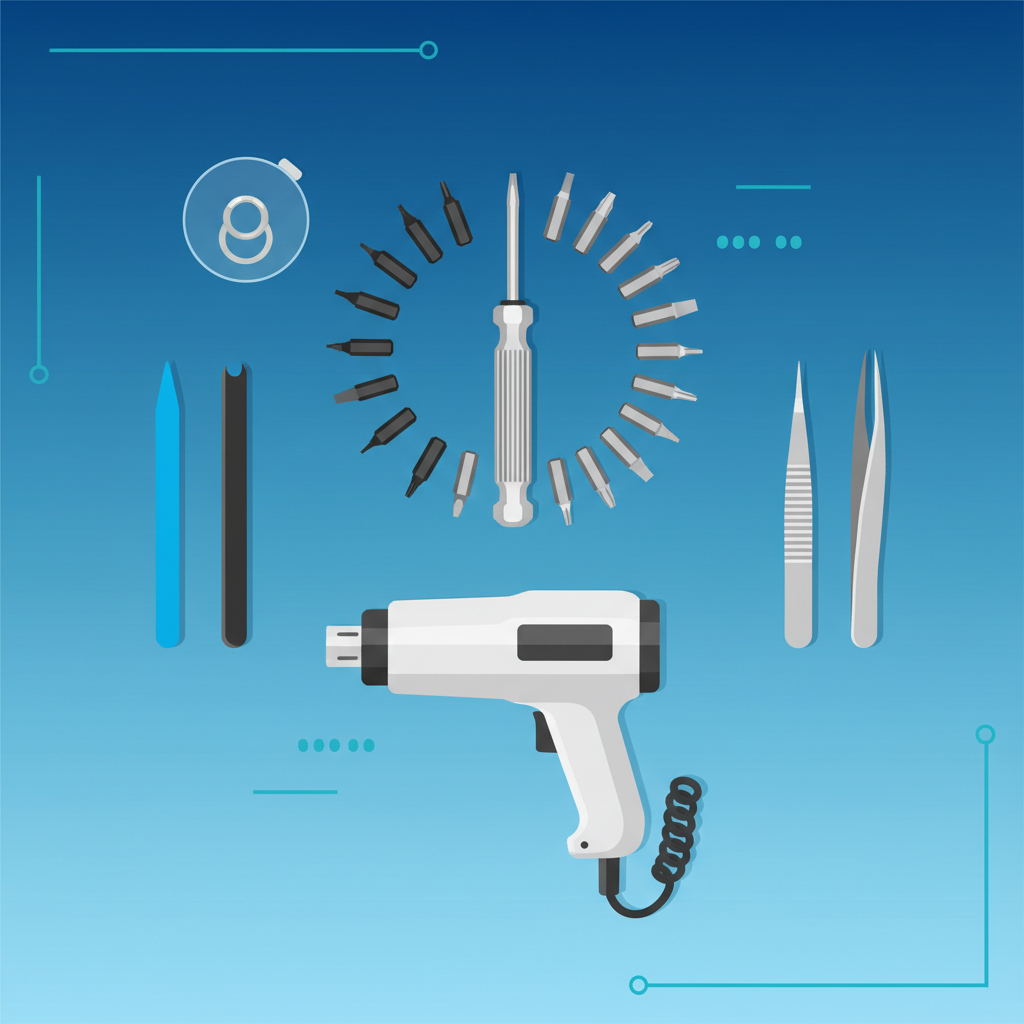
To start your journey as a phone repair technician, you’ll need the right set of tools. You don’t have to buy the most expensive kit right away, but investing in quality basics will save you headaches down the road.
Here’s a list of essential tools to get you started:
- Screwdriver Set: A precision screwdriver set with various heads (like Pentalobe for iPhones and Phillips for many Androids) is non-negotiable. These tiny screws are everywhere in modern phones.
- Pry Tools and Spudgers: These are usually made of plastic or nylon to avoid scratching the device’s casing or internal components. They are used to safely separate screens, batteries, and other parts that are held together by adhesive or clips.
- Suction Cups: A small, strong suction cup is vital for lifting screens off the phone’s body without cracking them. It gives you the leverage you need to gently separate the display assembly.
- Heat Gun or iOpener: Many phones, especially newer models, use strong adhesive to hold screens and back covers in place. A heat gun (used on a low setting) or a microwaveable gel pack like an iOpener softens this adhesive, making it much easier to pry the components apart.
- Tweezers: You’ll need fine-tipped tweezers for handling tiny screws, connectors, and cables inside the phone. Angled and straight-tipped versions are both useful.
- Multimeter: This diagnostic tool helps you test batteries, check circuits for continuity, and diagnose electrical issues. It’s a key part of smartphone troubleshooting when the problem isn’t obvious.
- Replacement Parts and Adhesives: You’ll need a reliable source for high-quality screens, batteries, and charging ports. You will also need special adhesive strips or liquid glue to secure new parts in place.
When sourcing tools, look for kits designed for electronics repair. Websites like iFixit offer comprehensive kits for beginners, while online marketplaces like Amazon and eBay have more budget-friendly options. For parts, find a reputable supplier that offers warranties on their products. This ensures you’re using reliable components in your repairs.
How to Learn Phone Repair and Become a Phone Repair Person
Becoming a proficient phone repair technician is an achievable goal, even if you’re starting from scratch. The key is to take a structured approach to learning. Here are the steps you can follow to build your skills and confidence.
1. Research and Self-Study
The internet is your greatest resource. Start by immersing yourself in the world of phone repair.
- YouTube Channels: Channels like JerryRigEverything, iFixit, and Hugh Jeffreys offer incredibly detailed teardowns and repair videos. Watch them to understand how phones are assembled and to see the techniques used by pros.
- Blogs and Repair Guides: Websites like iFixit provide thousands of free, step-by-step repair guides for almost every phone imaginable. These guides include pictures and clear instructions, making them perfect for your first few repairs. Following these guides is a great way to improve your smartphone troubleshooting skills.
- Online Forums: Communities on Reddit, such as r/mobilerepair, are packed with both amateur and professional technicians. You can ask questions, see the challenges others face, and learn from their experiences. It’s a great way to pick up tips and tricks you won’t find elsewhere.
2. Enroll in Training Programs
While self-study is great, a formal training program can accelerate your learning and give you a credential.
- Online Courses: Platforms like Udemy, Coursera, and specialized training websites offer comprehensive courses to learn phone repair. These courses often cover everything from basic electronics theory to advanced microsoldering techniques. They provide structured lessons and often come with a certificate of completion.
- Workshops and In-Person Training: Look for local workshops or vocational schools that offer hands-on training. This is one of the best ways to get practical experience under the guidance of an experienced instructor. These programs often provide the necessary tools and devices for you to practice on.
3. Practice on Old Devices
Theory can only take you so far. The most important step is to get your hands dirty.
- Gather Old Phones: Ask friends and family for their old, broken, or unused phones. You can also buy cheap, non-functional devices from online marketplaces. These will be your practice subjects.
- Take Them Apart and Reassemble: Start with a simple goal: disassemble a phone completely and then put it back together correctly. This will help you get familiar with the internal layout and the feel of the components.
- Attempt Simple Repairs: Once you’re comfortable with disassembly, try a basic repair, like a battery or screen replacement. Use online guides to walk you through it. Don’t worry if you break something—that’s part of the learning process! These early exercises build the foundation for more complex troubleshooting basics.
4. Join Communities
Learning is easier when you’re part of a community.
- Social Media Groups: Search for phone repair groups on Facebook. These are active communities where technicians share their successes, ask for help with tricky repairs, and discuss industry news.
- Local Meetups: Check for local electronics or repair clubs in your area. Connecting with other enthusiasts in person can lead to valuable mentorship and networking opportunities. You can also find out more about education and training requirements from people already in the field.
By combining these methods, you can build a strong foundation of knowledge and practical skill, turning your interest into a real capability.

Steps On How To Become a Phone Repair Person and Start Your Own Business
Once you’ve developed your skills and feel confident in your ability to fix phones, you might consider turning your hobby into a business. Launching a phone repair business can be a rewarding venture. Here’s a roadmap to help you get started.
1. Create a Business Plan
A solid business plan is your blueprint for success. It doesn’t need to be a hundred pages long, but it should clearly outline your goals and how you plan to achieve them.
- Define Your Services: What will you fix? Will you specialize in certain brands like Apple or Samsung? Will you only do screen and battery replacements, or will you offer more complex repairs like microsoldering?
- Identify Your Target Audience: Are you targeting students, busy professionals, or families? Knowing your audience will help you tailor your marketing efforts.
- Set Your Pricing: Research what other repair shops in your area are charging. Your prices should be competitive but also reflect the quality of your work and parts. Don’t forget to factor in the cost of parts and your time. Looking at related Repair costs can give you a good baseline.
2. Set Up Your Workspace
You don’t need a retail storefront from day one. Many successful technicians start from home.
- Home-Based Setup: Dedicate a specific area in your home for repairs. It should be a clean, well-lit space with a large desk or workbench to keep you organized. Ensure you have secure storage for your tools and customer devices.
- Mobile Repair Setup: Another popular option is to offer a mobile service where you travel to your customers’ homes or offices. This model has very low overhead and offers great convenience for your clients. You’ll need a reliable vehicle and a portable, well-organized toolkit.
3. Obtain Necessary Licenses and Insurance
Operating a legitimate business protects you and builds trust with customers.
- Business Registration: Depending on where you live, you may need to register your business name and obtain a business license from your local government.
- Insurance: This is a crucial step. General liability insurance will protect you in case you accidentally damage a customer’s device beyond repair. It’s a small price to pay for peace of mind. To figure out the next steps, you can research how to become a mobile technician.
4. Market Your Services
You can be the best technician in the world, but if no one knows about you, you won’t have any customers.
- **Word-of-Mouth
- Business Registration: Depending on where you live, you may need to register your business name and obtain a business license from your local government.
- Insurance: This is a crucial step. General liability insurance will protect you in case you accidentally damage a customer’s device beyond repair. It’s a small price to pay for peace of mind. To figure out the next steps, you can research how to become a mobile technician.
4. Market Your Services
You can be the best technician in the world, but if no one knows about you, you won’t have any customers.
- Word-of-Mouth: Start by offering your services to friends, family, and colleagues. A happy customer is your best advertisement.
- Social Media: Create business pages on platforms like Facebook and Instagram. Post before-and-after photos of your repairs, share customer testimonials, and run occasional promotions.
- Local Ads: Consider placing ads on local online marketplaces like Craigslist, Facebook Marketplace, or Nextdoor. Simple flyers posted on community bulletin boards can also be effective.
5. Build a Customer Base
Your long-term success depends on building strong relationships with your customers.
- Provide Excellent Service: Be professional, communicative, and transparent about your pricing and process.
- Offer a Warranty: Stand by your work by offering a 30- or 90-day warranty on your repairs. This shows customers that you are confident in your skills and the quality of your parts.
- Ask for Reviews: Encourage satisfied customers to leave reviews on your social media pages or Google Business Profile. Positive reviews are powerful social proof that will attract new clients.
Starting small and focusing on quality and customer satisfaction is the best way to grow your business sustainably.

Common Challenges in Phone Repair and How to Overcome Them
Every job has its challenges, and being a cell phone repair technician is no exception. Knowing what to expect can help you prepare and navigate these hurdles successfully.
One of the biggest obstacles is dealing with difficult repairs. Water damage is a classic example. A phone that has taken a swim can have multiple, hidden issues that only appear days or weeks later. To handle this, always be upfront with the customer. Explain that water damage is unpredictable and that you cannot guarantee a permanent fix. Manage their expectations from the start to avoid disappointment.
Another common challenge is sourcing high-quality replacement parts. The market is flooded with cheap, low-quality screens and batteries that can fail quickly, damaging your reputation. The solution is to find and build relationships with trusted suppliers. Test parts from different vendors and stick with those who provide reliable components and offer warranties. Paying a little more for a quality part is always better than dealing with an unhappy customer later.
Finally, managing customer expectations can be tough. Some customers may believe a repair should cost less or take less time than is realistic. Others might not understand the complexity of the repair. Clear communication is your best tool here. Before starting any work, explain the process, provide a detailed quote, and give a realistic timeframe. If you encounter an unexpected issue, like a problem with CarPlay troubleshooting, communicate it immediately. Honesty and transparency build trust and lead to smoother interactions.
Tips for Success as a Phone Repair Person
Building a successful career in phone repair goes beyond just fixing devices. It’s about building a reputation for quality, reliability, and excellent service. Here are some actionable tips to help you thrive in this field.
First, never stop learning. The smartphone industry moves at a blistering pace, with new models and technologies released every year. What works for an iPhone 12 might not work for an iPhone 16. Dedicate time to staying updated on the latest repair techniques. Follow industry blogs, watch teardown videos of new devices, and consider getting advanced certifications in areas like microsoldering. This commitment to continuous learning will keep your skills sharp and relevant.
Second, build strong relationships. This applies to both your suppliers and your customers. A good relationship with your parts supplier can lead to better pricing, priority access to new parts, and reliable support when you need it. On the customer side, focus on creating a positive experience. Be friendly, communicate clearly, and stand by your work. A happy customer is likely to return and recommend your services to others, which is the most powerful form of marketing.
Third, maintain a professional and organized workspace. Whether you work from home or a retail shop, a clean and orderly environment sends a message of professionalism. It also makes you more efficient and reduces the risk of losing tiny screws or mixing up parts. A well-organized space reflects a well-organized mind.
Finally, always be prepared for common issues, such as Connectivity issues or software glitches, as these are frequent complaints. Having a ready-to-go diagnostic process for these problems will make you appear more competent and will speed up your workflow. Success as a smartphone repair technician is a marathon, not a sprint, and these habits will set you up for long-term success.
Final Thoughts: How to Become a Phone Repair Person Successfully
Becoming a phone repair person is a practical and rewarding career choice, especially for beginners who enjoy hands-on work and solving everyday tech problems. With the constant demand for smartphone repairs, low startup costs, and flexible work options, this field offers real opportunities for both side income and full-time business growth.
The best part is that you don’t need advanced technical experience or expensive certifications to get started. By learning the basics, practicing on old devices, and gradually improving your skills, you can build confidence and credibility over time. Many successful technicians start small—fixing phones for friends and family—before expanding into a full phone repair business.
If you’re looking for a skill that is future-proof, in-demand, and allows you to work independently, phone repair is absolutely worth considering. Your next step is simple: start learning phone repair today, practice consistently, and take your first real repair job with confidence. With patience and dedication, this skill can turn into a reliable and profitable career.
Frequently Asked Questions
How long does it take to learn phone repair?
The timeline varies. You can learn the basics of screen and battery replacements in a few weeks through self-study. Becoming proficient enough to start a business could take a few months of consistent practice. Mastering advanced repairs like microsoldering can take a year or more.
Do I need a certification to start repairing phones?
No, a formal certification is not legally required to repair phones. However, certifications from recognized programs can boost your credibility and help you attract customers who are looking for a qualified cell phone repair technician.
What are the most common phone issues I’ll encounter?
The most common repairs are cracked screens, battery replacements, and fixing broken charging ports. You will also frequently deal with software glitches, camera issues, and water damage.
How much can I earn as a phone repair person?
Earnings vary widely based on your location, skill level, and business model. Part-time technicians might earn a few hundred dollars a month as a side income. Full-time, established technicians running their own businesses can earn $50,000 per year or more.
Where can I buy reliable replacement parts?
It’s best to source parts from reputable wholesale suppliers that specialize in mobile repair parts. Avoid the cheapest options on marketplaces like eBay or Amazon, as quality can be inconsistent. Building a relationship with a trusted supplier is key.
Can I repair phones without prior technical experience?
Yes. Many successful technicians start with no prior experience. If you are patient, detail-oriented, and willing to learn phone repair through practice and study, you can develop the necessary skills.
What are the risks of DIY phone repair?
The biggest risk is causing more damage to the device, such as tearing a delicate cable or cracking a new screen during installation. There is also a small risk of personal injury from a punctured battery. Always start with old, non-essential devices to practice.
How do I handle difficult customers?
Stay calm, be professional, and listen to their concerns. Clearly explain your repair process and warranty policies. Often, transparent communication is all that is needed to resolve a misunderstanding.
Is phone repair a sustainable career choice?
Yes. As long as people use smartphones, they will need them repaired. While manufacturers sometimes make devices harder to fix, the demand for affordable repair services remains strong.
What should I do if I damage a customer’s phone?
Be honest and upfront immediately. This is where business insurance is critical. Your policy should cover the cost of replacing the customer’s device. Trying to hide the damage will only hurt your reputation.